
Lighting is one of the most influential decisions a venue makes, even if it is rarely discussed in those terms. It shapes how a space feels before a guest engages with anything else, and plays a direct role in how people behave once they are seated.
In restaurants and bars, this behaviour often comes down to a single factor: how long guests choose to stay. This is no accident. In well-designed hospitality spaces, dwell time is deliberately shaped, with lighting serving as one of the most effective tools.
 Lighting shapes how people gather, influencing both the atmosphere of a space and how long guests choose to stay.
Image courtesy of Dusit Thani Bangkok.
The Relationship Between Light and Behaviour
People respond instinctively to light. Brighter environments promote alertness and movement, creating a sense of pace that encourages quicker visits and higher turnover. This is why cafés and casual dining venues often maintain higher light levels during the day, creating spaces that feel open and comfortable but not intended for extended stays.
As light softens, behaviour shifts. Lower, warmer light encourages guests to relax into their surroundings. Conversations slow, posture changes, and the experience becomes less time-bound. In evening settings, this often leads to longer dwell times and a greater willingness to continue ordering, whether that is another drink or something more.
 As light levels soften, the pace of the space slows, allowing guests to settle in and extend their time at the table.
Image courtesy of Lily Country Club, Oslo.
Matching Brightness to Venue Intent
The appropriate lighting strategy depends on what the venue is trying to achieve. Spaces focused on efficiency benefit from clarity and consistency, while bars and late-night venues rely on lower light levels that encourage guests to settle in. Fine dining sits between these positions, balancing visibility with intimacy.
Within this, table lighting plays a more significant role than is often assumed. Overhead lighting shapes the room, but table lighting defines the experience. A well-lit table creates a contained environment that draws attention to the food, the interaction, and the immediate setting, while allowing the surrounding space to remain subdued. This balance supports both atmosphere and clarity without requiring the entire venue to operate at the same light level.
 Layered lighting allows each table to feel intimate while maintaining balance across the wider space.
Adapting from Day to Evening with Consistency
Many hospitality venues operate across multiple dayparts, each with different expectations. A lighting approach that works in the morning rarely suits the evening. Being able to adjust light levels or introduce more focused lighting as the day progresses allows a space to transition naturally without disrupting the overall design.
Consistency is often felt rather than noticed. A table that is too exposed or too dim compared to others can create a subtle imbalance, which can influence how long guests choose to stay. A consistent approach across tables supports a more considered and comfortable experience.
 Warm, low-level table lighting creates a sense of intimacy, encouraging guests to stay longer and engage more deeply with the space.
Image courtesy of Apollo Inn.
Lighting as a Business Consideration
“Lighting is often framed as a stylistic decision, but in practice it’s closely tied to how a venue performs,” says NEOZ CEO Jon Hemming. “It shapes dwell time, influences spending, and supports different operating rhythms across the day. When considered carefully, lighting becomes a quiet but effective way to guide behaviour.”
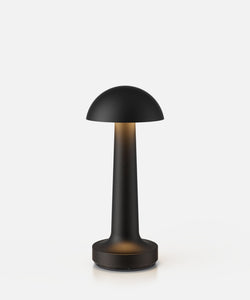
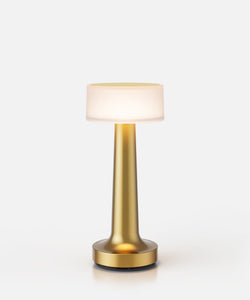
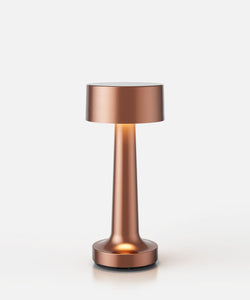
NEOZ cordless table lamps are designed with this in mind, providing a consistent and adaptable source of light at the table that can be easily moved, adjusted, and refined. This level of control allows venues to shape dwell time more intentionally, supporting an environment where guests feel comfortable staying longer.